Unraveling Interconnected Loyalty Tier Mechanics Across Networked Digital Table Experiences
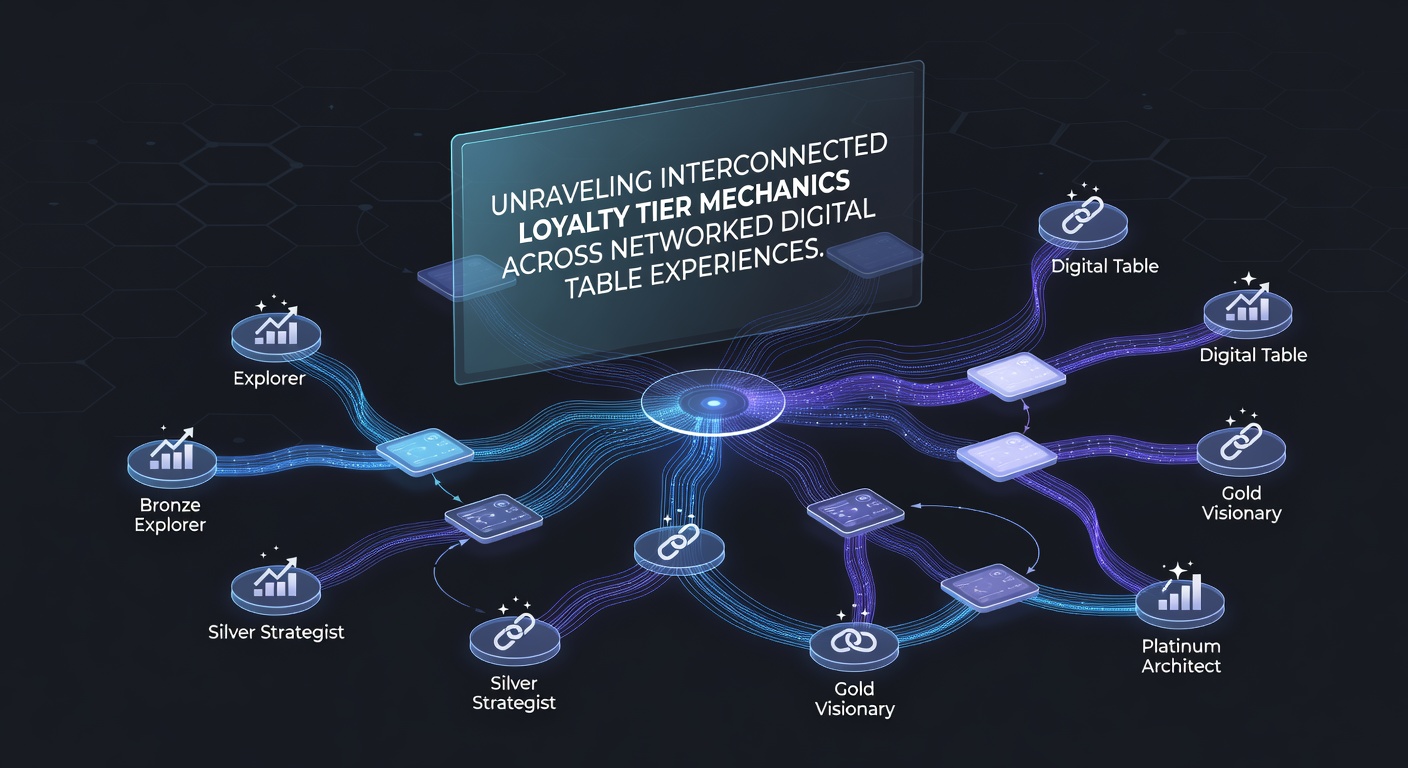
Networked digital table experiences connect loyalty tier mechanics through shared databases that track player activity across multiple platforms and game types. These systems accumulate points from blackjack, roulette, baccarat, and poker sessions while applying tier advancement rules that recognize cumulative play rather than isolated sessions. Operators integrate these frameworks to maintain consistent reward structures even when users switch between different digital environments.
Data from industry monitoring shows that interconnected tiers rely on centralized servers to synchronize player profiles in real time. Points earned on one platform transfer automatically to a master account while tier status updates occur at scheduled intervals or upon reaching defined thresholds. This synchronization prevents duplicate tracking and ensures that progression remains continuous across networked sites.
Core Components of Tier Progression
Loyalty programs define tiers through point multipliers and qualifying criteria that differ by level. Entry-level tiers typically award base points for each wager placed, whereas higher tiers introduce accelerated earning rates and additional perks such as priority access to certain tables or reduced house edges during promotional windows. Researchers have documented that these multipliers often scale linearly up to mid-tier levels before shifting to exponential models at the uppermost brackets.
Table-specific mechanics introduce variance within the overall system. Digital roulette sessions might contribute points based on total chips wagered per spin, while blackjack play factors in both wager size and number of hands completed within a set period. Network administrators calibrate these formulas to balance engagement across game categories and maintain equitable progression paths for participants who favor different table experiences.
Interconnection Protocols and Data Exchange
Interconnected systems operate through application programming interfaces that exchange encrypted player data between participating operators. These protocols verify identity through tokenized credentials rather than sharing full account details, which reduces exposure while allowing seamless point aggregation. Observers note that latency in these exchanges has decreased significantly as network infrastructure improves, with most updates completing within seconds of a completed wager.
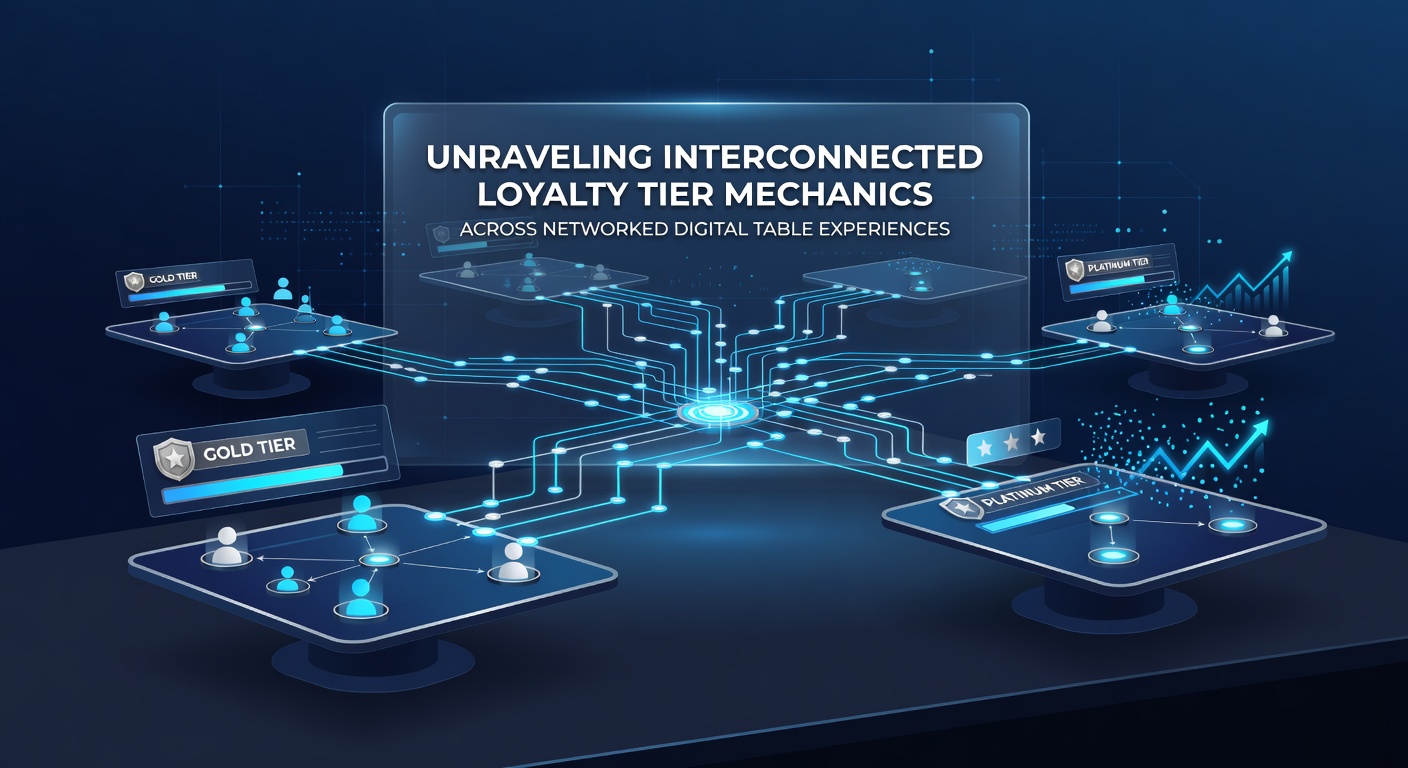
June 2026 brought several documented upgrades to these protocols as operators responded to increased cross-border player traffic. Regulatory filings in multiple jurisdictions indicate that enhanced encryption standards and redundant failover nodes were implemented to handle peak loads during major sporting events that coincide with elevated table game volume. The American Gaming Association has published summaries outlining how these changes support uninterrupted tier tracking even during regional outages.
Regional Variations in Implementation
North American networks tend to emphasize tier benefits tied to live dealer interactions and tournament entries, whereas European and Asian platforms often link higher tiers to exclusive game variants and customized betting limits. A report from the Victorian Commission for Gambling and Liquor Regulation in Australia highlights how local operators integrate state-level compliance requirements into shared loyalty architectures without disrupting cross-platform functionality.
Academic studies examining player retention patterns have found that interconnected tiers correlate with longer session durations when reward visibility remains consistent across devices. Mobile applications display real-time tier progress alongside desktop interfaces, which allows participants to monitor advancement regardless of access method. These findings appear in research conducted by institutions tracking digital gaming behavior over multi-year periods.
Security and Compliance Considerations
Operators must align loyalty data handling with data protection regulations that vary by jurisdiction. Tokenization and anonymized aggregation methods help satisfy these requirements while preserving the functionality of tier calculations. Industry groups such as the European Gaming and Betting Association have issued guidance documents that detail recommended practices for maintaining audit trails across interconnected networks.
Verification processes require periodic re-authentication to prevent unauthorized point transfers. When discrepancies arise between platforms, reconciliation algorithms flag the records for manual review before finalizing tier adjustments. This layered approach has become standard in networks that span multiple regulatory environments.
Conclusion
Interconnected loyalty tier mechanics continue to evolve through technical refinements and regulatory alignment across networked digital table platforms. The combination of synchronized data exchange, tier-specific multipliers, and region-specific adaptations creates frameworks that track player engagement comprehensively while respecting jurisdictional boundaries. As these systems mature, operators and regulators maintain focus on secure, transparent progression pathways that function reliably across diverse digital environments.