The Interplay of Loyalty Point Expiration Timelines and Jackpot Contribution Rates in Cross-Border Digital Table Networks
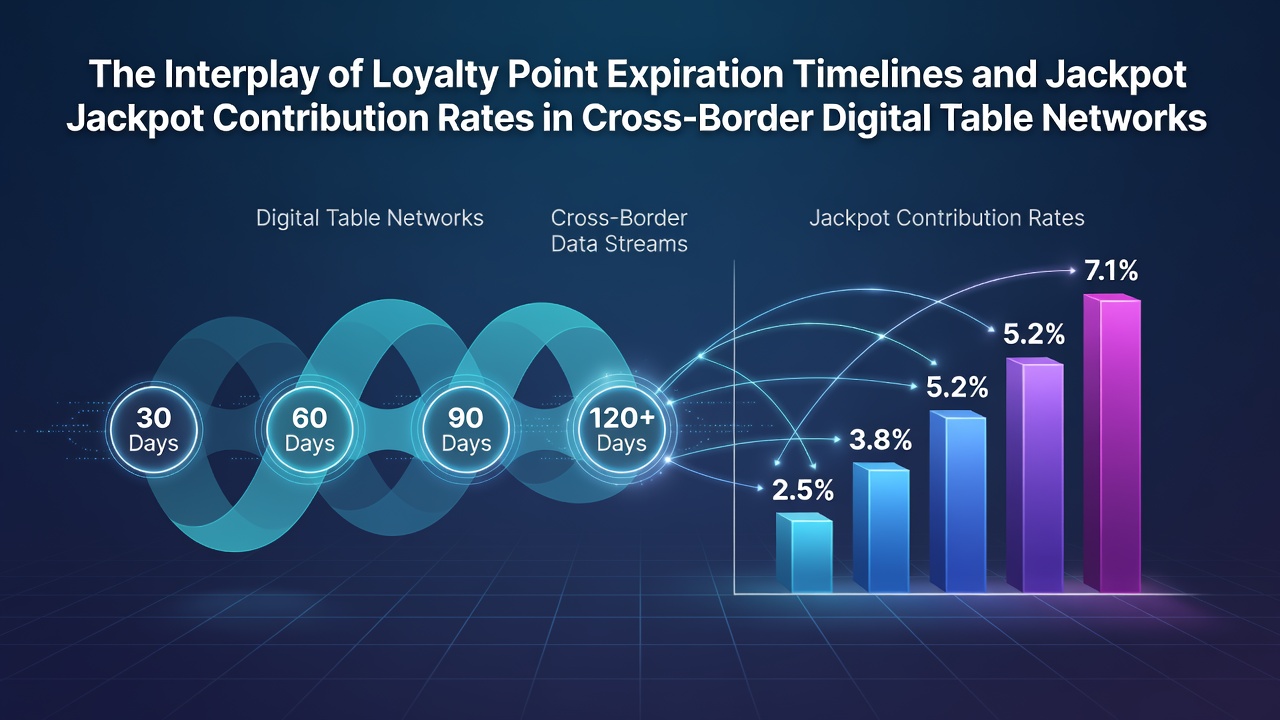
Digital table networks operate across multiple jurisdictions where loyalty point expiration timelines directly shape how player activity feeds into jackpot contribution rates. Systems track points earned from games like blackjack and roulette then apply expiration windows that range from 30 days to 18 months depending on the operator and regulatory framework. These timelines influence the volume of active player balances that operators allocate toward progressive jackpot pools which often draw contributions at rates between 1 percent and 5 percent of each wager.
Loyalty Structures Across Networked Platforms
Operators maintain centralized loyalty ledgers that record every hand or spin from digital tables while enforcing expiration rules that clear unused points at set intervals. Research from the University of Nevada Reno indicates that shorter expiration periods accelerate point redemption cycles which in turn increases the frequency of jackpot-eligible wagers. Longer timelines allow points to accumulate without immediate spending pressure yet they reduce the overall contribution velocity into shared jackpot funds because dormant balances never convert into active play.
Cross-border networks must reconcile these differences when players move between platforms governed by separate authorities. A point earned in one region may carry a 90-day expiration while the same network applies a six-month window in another jurisdiction which creates synchronization challenges for jackpot calculations. Network administrators adjust contribution rates dynamically to maintain pool integrity across these mismatched timelines.
Jackpot Allocation Formulas and Point Decay
Jackpot contribution rates depend on real-time loyalty data because expired points remove the associated wager history from the contribution pool. Systems calculate each player's lifetime contribution percentage then apply decay factors when points approach expiration dates. This process ensures that only valid active play continues feeding the progressive meters at predetermined percentages.
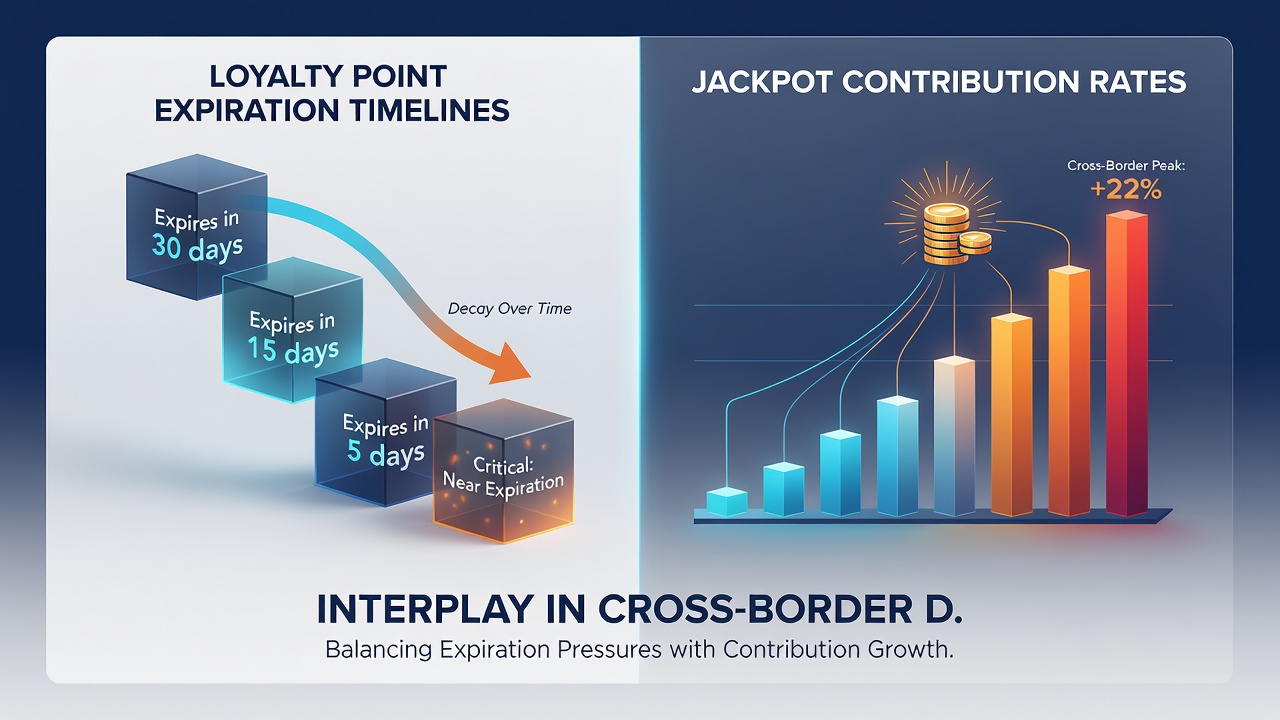
Operators in multi-jurisdiction setups often recalibrate rates monthly based on aggregate expiration data. Figures released in June 2026 by the Casino Regulatory Authority of Singapore revealed that networks with 60-day expiration windows recorded 12 percent higher monthly jackpot contributions compared with those using 180-day windows. The difference stems from faster point turnover which forces more frequent play sessions that each add to the pool at the standard rate.
Regulatory Influences on Cross-Border Mechanics
Regulatory bodies impose varying requirements on both loyalty tracking and jackpot transparency. The Australian Communications and Media Authority requires operators to publish expiration schedules alongside contribution percentages while European operators follow guidelines from the European Gaming and Betting Association that emphasize audit trails for point decay. These rules affect how networks structure their contribution algorithms when serving players from multiple regions simultaneously.
One documented case involved a European-Asian network partnership where differing expiration rules created a 3 percent variance in jackpot funding levels until administrators introduced region-specific weighting factors. The adjustment preserved contribution equity without violating local timelines. Observers note that such adaptations have become standard practice as networks expand.
Player Behavior Patterns and System Responses
Data shows that players respond to approaching expiration dates by increasing wager volumes which temporarily boosts contribution rates into jackpot pools. Networks monitor these surges through automated alerts that flag accounts nearing point reset. The resulting play activity raises the average contribution per active user during those windows.
Cross-border systems employ geo-fencing to apply the strictest applicable expiration rule when players access tables from different locations. This method prevents point hoarding across lenient jurisdictions while maintaining consistent jackpot funding. Studies from research institutions confirm that synchronized enforcement reduces discrepancies in contribution rates by up to 8 percent.
Conclusion
The relationship between loyalty point expiration and jackpot contribution rates continues to evolve as cross-border digital table networks refine their synchronization protocols. Regulatory updates and technological adjustments shape how expiration timelines translate into measurable funding for progressive pools. Accurate tracking remains essential for operators seeking stable jackpot mechanics across diverse player bases and legal environments.