Mapping Risk Assessment Frameworks for High-Stakes Roulette Variants in Smartphone-Based Casino Ecosystems
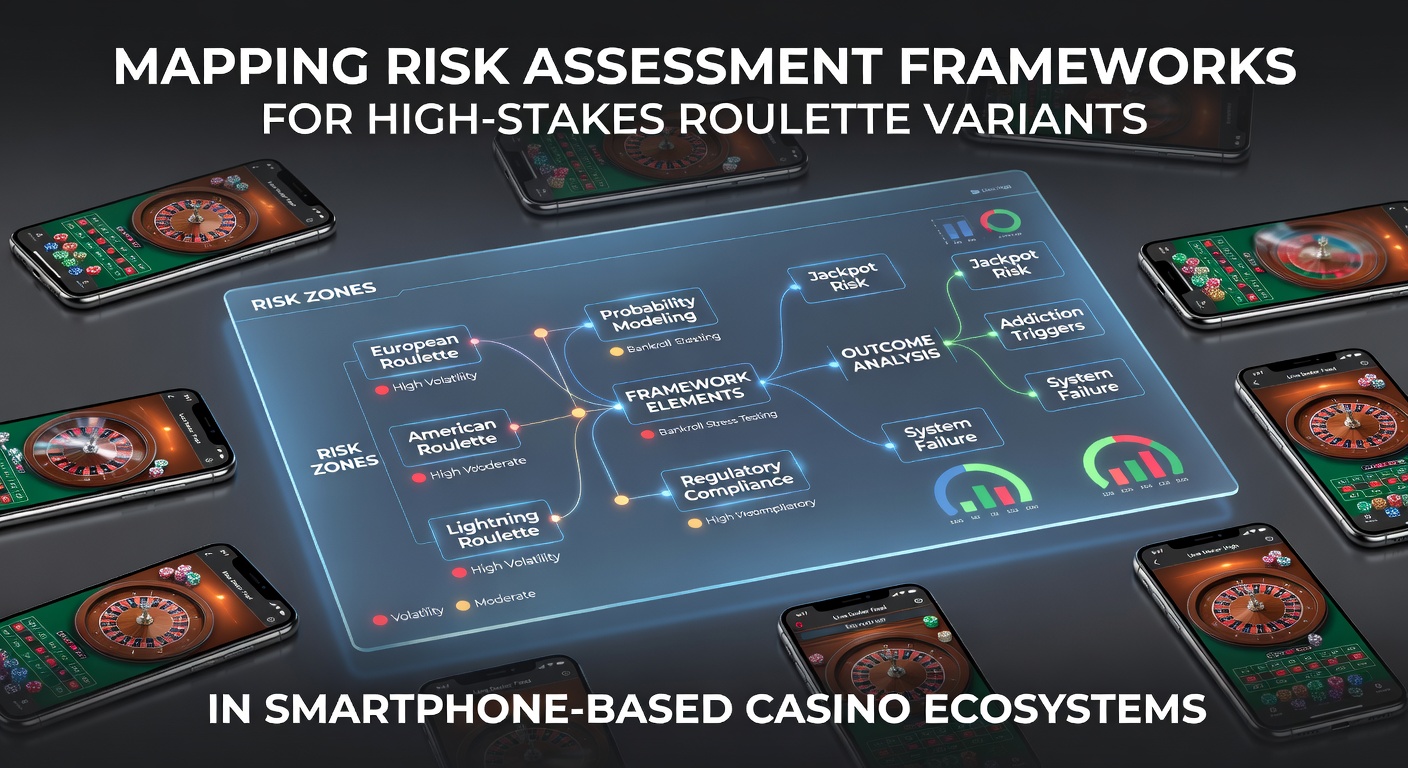
Smartphone-based casino ecosystems now host sophisticated high-stakes roulette variants that require precise risk assessment frameworks to manage volatility, player exposure, and platform integrity, and these systems combine behavioral analytics, transaction monitoring, and regulatory compliance protocols into unified mapping structures. Developers integrate data from device sensors, network traffic patterns, and betting histories to create layered evaluations that flag anomalies in real time while supporting variants such as multi-wheel European roulette, lightning-speed American layouts, and progressive jackpot hybrids accessed through mobile applications.
Core Components of Modern Risk Frameworks
Research indicates that effective frameworks rely on three interconnected pillars including probability modeling for wheel outcomes, user authentication layers tied to device biometrics, and dynamic stake limit adjustments that respond to session duration and account history. Observers note these elements work together because high-stakes play on smartphones introduces variables like variable latency during live dealer streams and cross-border payment flows that traditional land-based systems rarely encounter. Data from industry reports shows transaction volumes in mobile roulette segments grew substantially through early 2026, prompting operators to refine their mapping tools ahead of seasonal regulatory reviews.
Those who've studied mobile gaming ecosystems know the frameworks often draw from established standards set by bodies such as the Nevada Gaming Control Board and the Australian Communications and Media Authority, which emphasize real-time reporting of unusual bet clustering. These sources provide guidelines that developers translate into smartphone-specific algorithms capable of distinguishing between skilled pattern recognition and coordinated high-volume wagering that might signal external manipulation attempts.
Adapting Frameworks for Smartphone Constraints
Smartphone ecosystems present unique mapping challenges because screen size limits visual confirmation of wheel physics, and background app activity can affect connection stability during critical spin sequences. Experts have mapped these constraints by incorporating device fingerprinting and GPS verification steps that trigger additional authentication when users switch networks mid-session. Studies reveal that latency spikes exceeding 150 milliseconds correlate with increased dispute rates in high-stakes variants, leading operators to embed predictive buffers that pause betting windows automatically until stability returns.
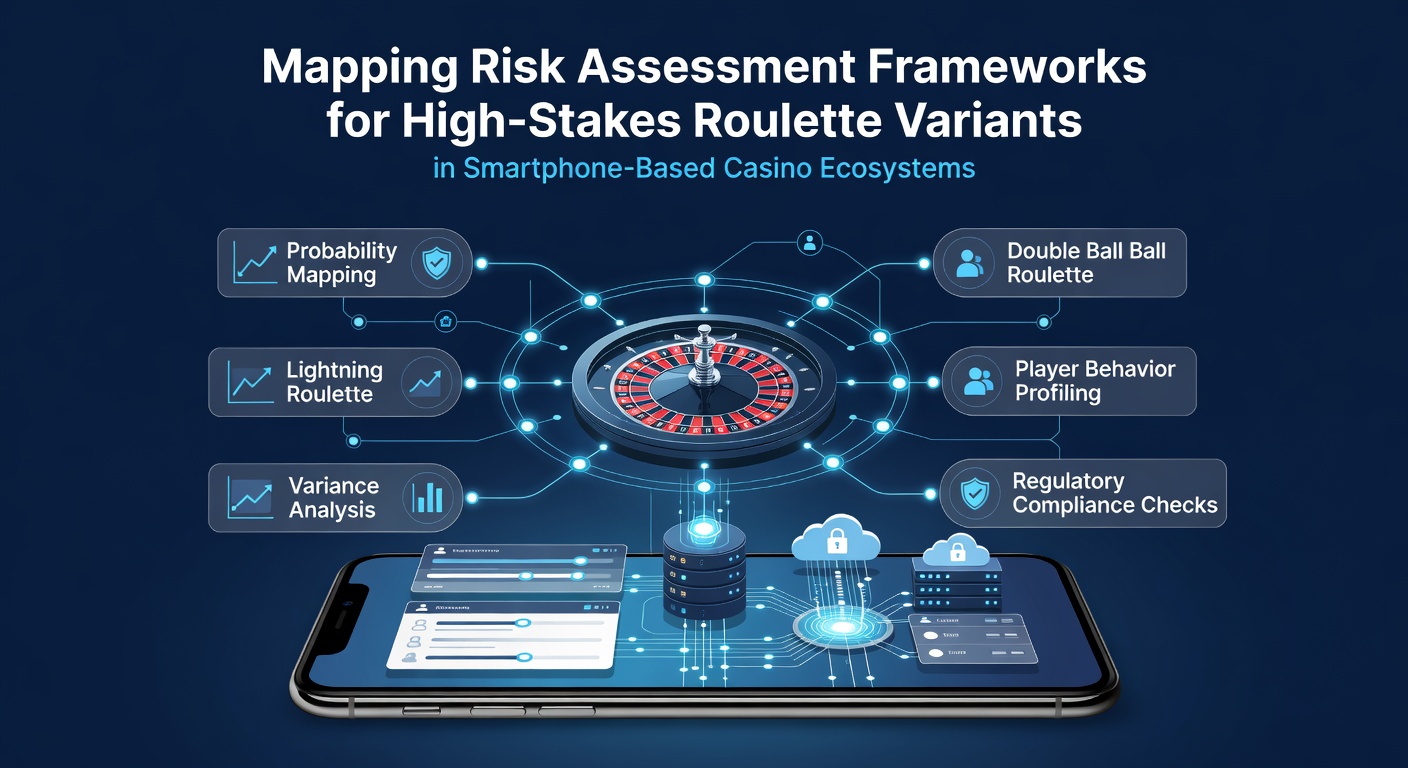
But here's the thing, the integration of machine learning models allows frameworks to update risk scores continuously rather than at fixed intervals, and this approach proves particularly useful for variants that incorporate side bets or multiplier wheels where payout structures shift rapidly. Researchers discovered that models trained on aggregated anonymized data from multiple jurisdictions achieve higher accuracy in identifying at-risk sessions compared to static rule sets alone.
Regulatory Evolution and May 2026 Developments
In May 2026 several jurisdictions rolled out updated compliance checklists that require mobile operators to demonstrate how their risk maps account for emerging high-stakes roulette features such as augmented reality wheel overlays and instant replay verification tools. These updates build on earlier directives from Canadian provincial regulators and the European Gaming and Betting Association, which stress transparency in algorithmic decision-making behind stake caps and session timeouts. Figures from recent compliance filings indicate that platforms adopting unified mapping systems reduced regulatory query response times by measurable margins while maintaining player throughput during peak evening hours.
People who've implemented these frameworks report that combining on-device processing with secure cloud analytics creates redundancy that protects against single-point failures common in pure cloud-dependent models. One case study highlighted by industry analysts involved a Southeast Asian operator that layered geofencing restrictions onto its risk matrix, resulting in automated bet throttling for accounts flagged through velocity checks across multiple device identifiers.
Practical Mapping Techniques in Use
Practical application often begins with heat-mapping tables that assign numerical risk values to each roulette variant based on house edge volatility and average bet duration, then overlays user-specific factors such as deposit frequency and withdrawal patterns. Analysts use these composite scores to trigger graduated interventions ranging from gentle nudges about session length to outright temporary lockouts when thresholds are crossed. The reality is that smartphone hardware differences across manufacturers require frameworks to normalize sensor data before feeding it into the central risk engine, and this normalization step prevents false positives stemming from older device models with less precise accelerometers.
What's interesting is how frameworks now incorporate predictive elements drawn from historical tournament data where high-stakes players clustered bets around specific number sequences during live mobile events. Such patterns, once identified, feed back into the mapping system to adjust baseline probabilities dynamically rather than relying on fixed wheel mathematics alone.
Conclusion
Mapping risk assessment frameworks for high-stakes roulette variants within smartphone-based casino ecosystems continues to evolve through iterative refinement of data integration methods, regulatory alignment, and device-aware analytics. Observers note that success depends on maintaining balance between player freedom and protective controls while adapting to hardware and network realities that change with each new phone generation. As May 2026 updates demonstrate, coordinated efforts between operators, device manufacturers, and oversight agencies produce frameworks capable of scaling alongside the growing complexity of mobile roulette offerings without compromising operational continuity or compliance standards.