Mapping Regulatory Compliance Pathways for Cryptocurrency Integration in Multi-Jurisdictional Gaming Networks
Nils Flores · Aug 8, 2026
Mapping Regulatory Compliance Pathways for Cryptocurrency Integration in Multi-Jurisdictional Gaming Networks
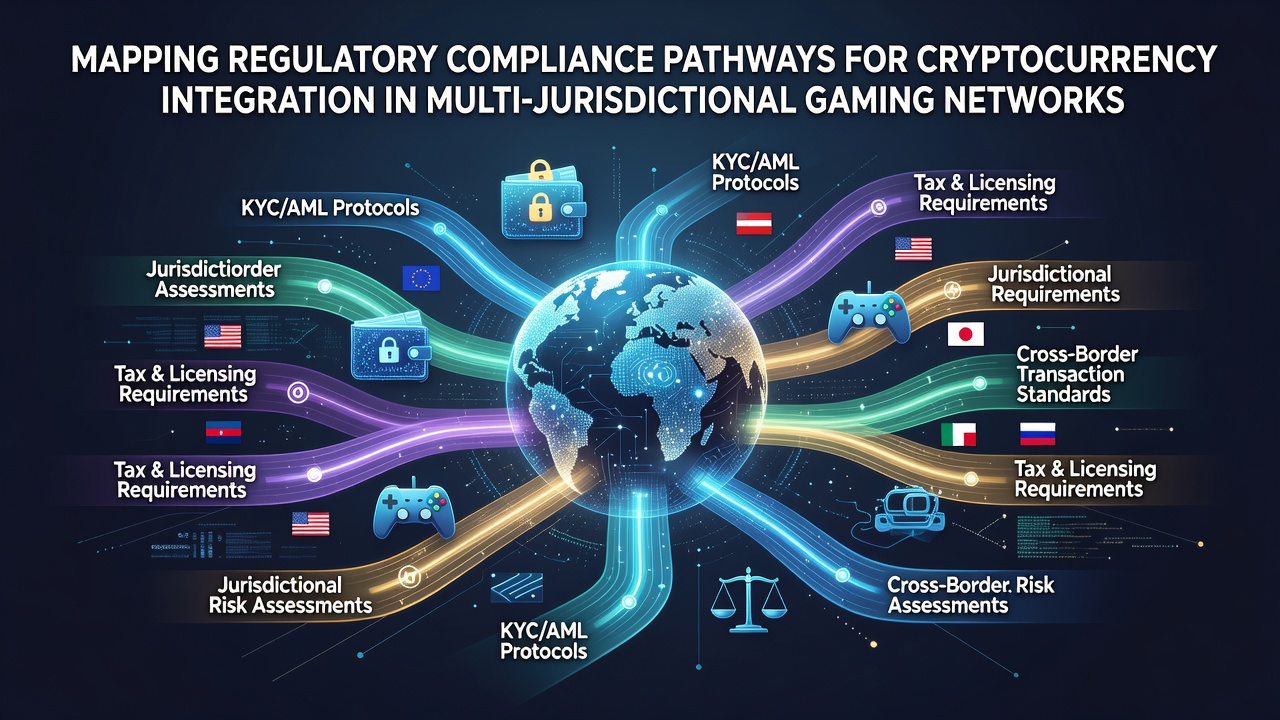
Regulatory compliance pathways for cryptocurrency integration in multi-jurisdictional gaming networks require careful navigation across overlapping legal systems that govern both digital assets and gambling operations. Operators must align with anti-money laundering standards, know-your-customer protocols, and licensing requirements that vary by region while ensuring seamless functionality across borders. Data from international financial oversight bodies shows that cryptocurrency transactions in gaming environments grew substantially between 2023 and 2025, prompting updated frameworks in multiple jurisdictions.
Core Regulatory Components Across Jurisdictions
Compliance begins with mapping each jurisdiction's stance on digital currencies within licensed gaming activities, where authorities typically classify cryptocurrencies as either financial instruments or alternative payment methods. Experts note that the Financial Action Task Force guidelines establish baseline recommendations for virtual asset service providers, which gaming operators must incorporate when accepting crypto deposits or processing withdrawals. In parallel, regional bodies enforce additional layers such as transaction monitoring thresholds and reporting obligations that trigger at specific volume levels.
Those who've examined enforcement patterns observe that operators often start by securing primary licenses in one jurisdiction before expanding through mutual recognition agreements or secondary approvals. This sequential approach reduces duplication while addressing local tax reporting and consumer protection mandates that differ in scope and frequency.
Regional Variations in Implementation
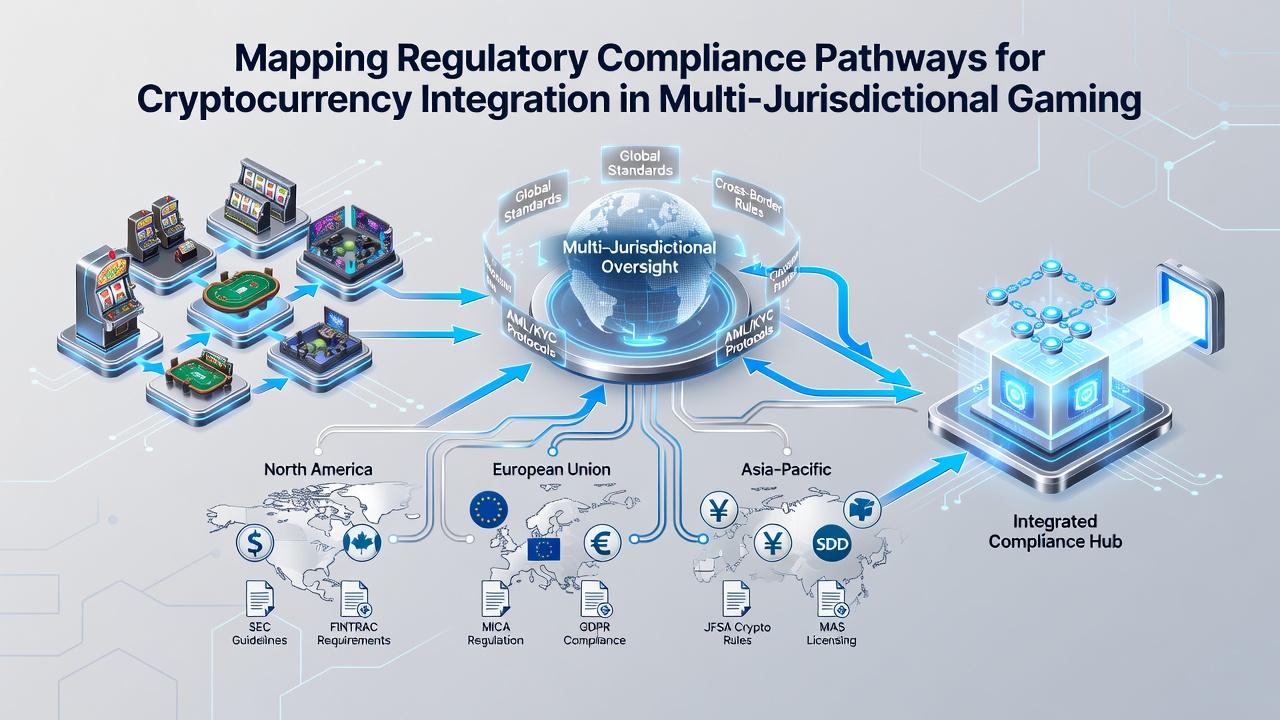
North American frameworks emphasize federal financial reporting combined with state-level gaming controls, whereas European structures coordinate through directives that member states adapt into national law. Asian markets frequently prioritize controlled pilot programs that test cryptocurrency integration under strict volume caps and real-time auditing requirements. Observers note that these differences create distinct compliance maps, each requiring dedicated documentation trails and periodic audits by accredited third parties.
As of August 2026, several Asian regulatory updates introduced mandatory blockchain analytics integration for all licensed gaming platforms handling digital assets, aligning with broader efforts to trace fund flows across networks. Similar adjustments appeared in select North American states that revised their minimum capital reserve rules for operators accepting cryptocurrency wagers.
Technical and Operational Mapping Strategies
Operators construct compliance pathways by layering technology solutions that satisfy multiple regulators simultaneously, including wallet screening tools and automated sanction list checks. Research indicates that successful implementations connect these systems to centralized reporting portals used by different authorities, allowing single-source data submission rather than repeated filings. This integration proves especially valuable in networks spanning three or more jurisdictions where timing of reports can affect license standing.
Take one operator who synchronized its compliance dashboard with both a North American state regulator and an Asian licensing body, which enabled real-time visibility into transaction flags without separate manual reviews. Such configurations rely on standardized data formats that accommodate varying definitions of reportable events across borders.
Emerging Coordination Mechanisms
Industry associations and academic research centers have begun publishing comparative analyses that outline common compliance elements across major gaming markets. These resources help operators identify overlapping requirements around customer due diligence and record retention periods, which often range from five to seven years depending on the jurisdiction. Figures from recent industry reports reveal that coordinated audits conducted under mutual assistance treaties reduced average review times by nearly 30 percent for multi-jurisdictional platforms.
Yet coordination remains incomplete where data privacy rules restrict cross-border information sharing, forcing operators to maintain segmented databases that still feed into unified risk models. Those mapping these pathways routinely consult updated guidance from bodies such as the U.S. Department of the Treasury alongside reports issued by the Financial Action Task Force to maintain alignment.
Conclusion
Mapping regulatory compliance pathways for cryptocurrency integration demands ongoing attention to evolving rules, technical interoperability, and coordinated reporting across jurisdictions. Operators who establish clear documentation hierarchies and adopt compatible monitoring systems position themselves to adapt as new requirements emerge in August 2026 and beyond. Continued collaboration between regulators, technology providers, and gaming networks supports more consistent application of standards while preserving the operational flexibility needed for international expansion.