Investigating Synchronization Protocols Between Mobile Interfaces and Centralized Gaming Servers for Uninterrupted Play Experiences

Developers rely on synchronization protocols to maintain consistent data flow between mobile interfaces and centralized gaming servers and this setup supports continuous play across varying network conditions. These systems handle real-time updates for game states, player actions, and server responses while minimizing disruptions from latency or signal fluctuations. Observers note that effective protocols integrate elements of transport control mechanisms with application-layer adaptations to address the unique demands of wireless environments.
Core Components of Synchronization Protocols
Centralized servers store authoritative game data and mobile clients receive synchronized copies through structured exchanges that rely on protocols such as WebSocket for persistent connections and variants of UDP for low-overhead transmissions. Researchers discovered that combining these approaches allows bidirectional communication where servers push incremental updates and clients acknowledge receipt without full state retransmissions. Data indicates that this hybrid method reduces bandwidth usage by up to 40 percent compared to traditional polling techniques according to benchmarks published in networking journals.
Packet sequencing and timestamping form another layer that prevents desynchronization during handoffs between cell towers or Wi-Fi access points. Engineers implement jitter buffers on the client side to smooth incoming streams while predictive algorithms on servers anticipate player inputs based on historical patterns. Those who've studied mobile network traces know these techniques prove essential in regions with inconsistent coverage where brief outages occur frequently.
Handling Network Variability in Mobile Environments
Mobile networks introduce variables including variable latency, packet loss, and bandwidth throttling that centralized servers must accommodate through adaptive rate control. Studies from institutions in Canada reveal that protocols incorporating forward error correction can recover up to 15 percent of lost packets without triggering full resends and this approach maintains session continuity during peak congestion periods. Experts have observed similar patterns in field tests conducted across urban and rural deployments where signal strength fluctuates rapidly.
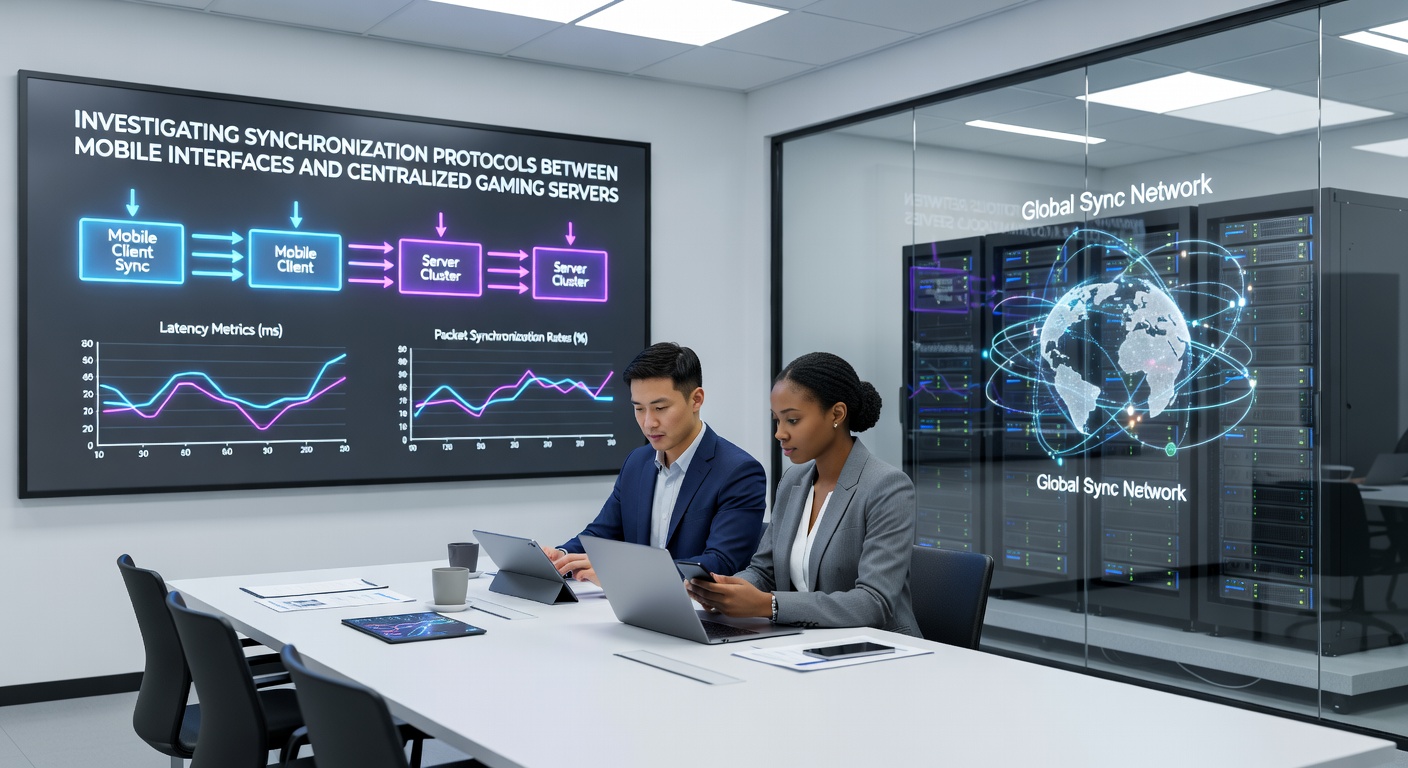
Edge computing nodes positioned closer to users complement central servers by handling preliminary synchronization tasks and routing only essential state changes to the core infrastructure. This distribution reduces round-trip times and supports uninterrupted sessions even when primary connections experience delays. Reports from the Australian Communications and Media Authority highlight infrastructure investments that enable such hybrid architectures across expanding 5G networks as of May 2026.
Security and Integrity Measures in Protocol Design
Encryption layers wrap synchronization streams to protect player data and game integrity during transit and authentication tokens refresh at regular intervals to prevent session hijacking. Developers integrate checksum validations that detect tampering attempts while allowing legitimate updates to proceed without interruption. Industry analyses show these safeguards integrate seamlessly with performance optimizations because they operate at the protocol header level rather than requiring separate verification passes.
Rollback mechanisms activate when discrepancies arise between client and server states and these systems reconstruct prior frames using logged action sequences to restore consistency. Observers note that such features appear in production environments where multi-device logins occur and the same account accesses sessions from different locations within short timeframes. Research indicates minimal player-perceived impact when rollback windows stay under 200 milliseconds.
Performance Metrics and Optimization Strategies
Latency targets for responsive play typically fall below 50 milliseconds for action feedback and synchronization protocols achieve this through prioritized queuing that elevates critical packets above background traffic. Metrics collected from large-scale deployments demonstrate that server-side prediction combined with client-side reconciliation keeps perceived lag within acceptable bounds across diverse device hardware. People who've examined telemetry data from these systems often discover that minor adjustments to buffer sizes yield disproportionate gains in stability.
Load balancing across server clusters distributes synchronization workloads and dynamic scaling provisions additional resources during high-traffic intervals without manual intervention. Figures from European network research consortia reveal that automated orchestration tools now manage thousands of concurrent mobile sessions per cluster while preserving sub-second update cycles. These configurations prove particularly relevant for titles that support cross-platform participation where desktop and mobile users interact within shared environments.
Conclusion
Ongoing refinements to synchronization protocols continue to address emerging challenges from expanding device ecosystems and evolving wireless standards. Integration of machine learning for traffic pattern analysis offers pathways toward proactive adjustments that anticipate congestion before it affects active sessions. Data from multiple regions confirms that these technical foundations underpin reliable mobile gaming infrastructures capable of supporting extended play periods across variable conditions.