Decoding the Connection Between Historical Art Movements and Iconography Choices in Modern Slot Interface Designs
Nils Foster · Aug 22, 2026
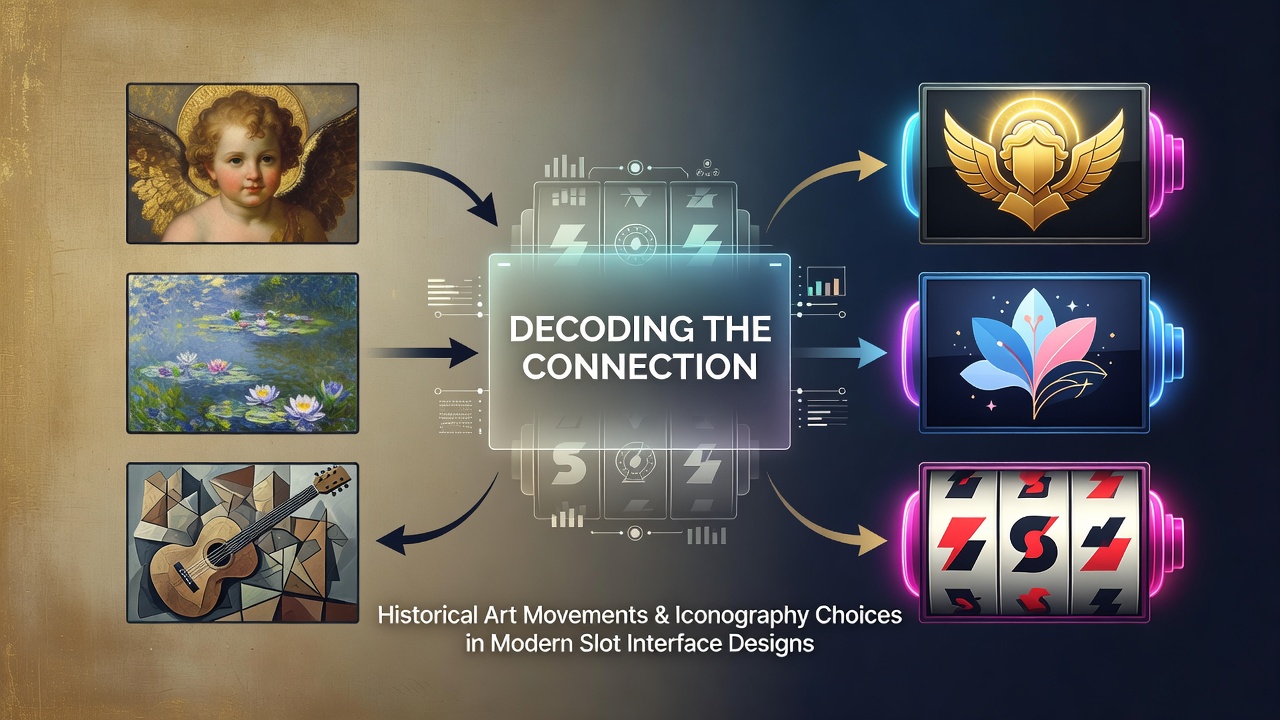
Decoding the Connection Between Historical Art Movements and Iconography Choices in Modern Slot Interface Designs
Designers integrate elements from historical art movements into slot interfaces through deliberate choices in color palettes, symbol shapes, and spatial arrangements that echo past aesthetic traditions while supporting digital functionality. Art Deco patterns appear in reel borders and bonus round frames, while geometric forms from the Bauhaus school structure menu layouts on mobile platforms. These connections emerge as developers reference established visual languages to create recognizable yet functional gambling environments.
Art Deco Influences on Symbol Geometry and Color Use
Art Deco from the 1920s and 1930s contributes bold lines, sunburst motifs, and metallic tones to many premium slot interfaces released through 2026. Developers apply these traits when constructing high-value symbols such as luxury items or architectural frames that surround progressive jackpot meters. Data from industry reports shows that titles incorporating stepped silhouettes and gold gradients see consistent player retention rates across North American markets according to figures released by the American Gaming Association.
Color blocking follows the same movement when interfaces limit palettes to deep reds, blacks, and ivories, which reduces visual noise during extended sessions on tablet screens. One development team at a major supplier replicated the Chrysler Building spire in a scatter symbol set, then adjusted the scale so it aligned with touch targets required by regulatory testing standards in multiple jurisdictions.
Surrealist and Dada Elements in Animated Sequences
Surrealist approaches surface in bonus animations where everyday objects morph into winning combinations without logical transitions. Clock faces melt across reels in one series, while floating keys unlock hidden multipliers in another. These choices trace directly to techniques pioneered in the early twentieth century yet adapted for frame-rate limits on current hardware. Observers note that such sequences maintain narrative coherence because they borrow the movement's emphasis on unexpected juxtapositions rather than random distortion.
Dada collage methods appear when interfaces layer mismatched textures over static symbols, creating depth without additional processing load. Research from the University of Nevada Reno gaming laboratory indicates that these layered compositions correlate with longer average session durations when tested against flat icon sets in controlled environments.
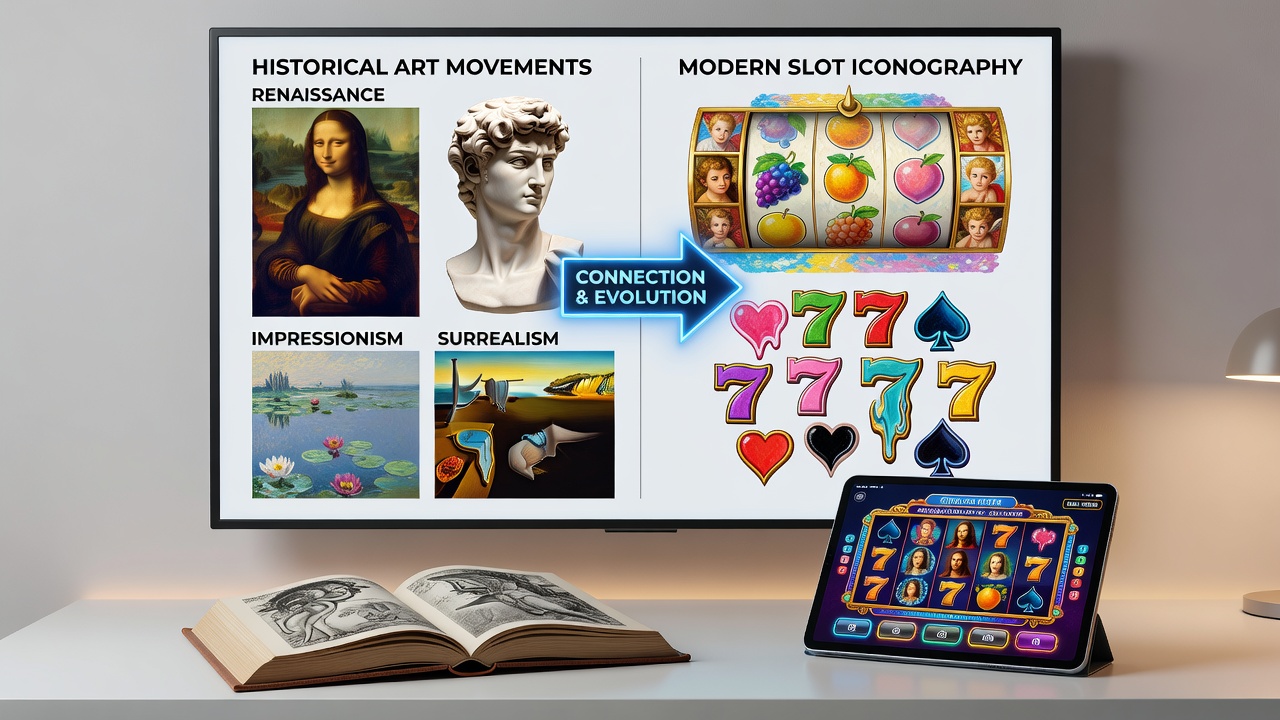
Bauhaus Minimalism in Navigation and Information Hierarchy
Bauhaus principles guide the placement of bet selectors, paytable access, and balance displays through strict grids and sans-serif typography. Developers reduce decorative flourishes so that essential data remains legible at small sizes on smartphone displays. This approach aligns with the movement's original focus on form following function, which translates effectively when interfaces must comply with accessibility guidelines issued by Canadian provincial regulators.
Primary buttons occupy precise intersections on the grid, while secondary controls recede into muted backgrounds. The result appears in several August 2026 updates where suppliers streamlined existing games to meet new multi-device certification requirements without altering core mathematics.
Pop Art and Bold Iconography in Mass-Market Titles
Pop Art contributes enlarged everyday objects and saturated primaries to symbols that target broader audiences. Fruit icons receive comic-book outlines and flat fills that reference 1960s print techniques, while jackpot values appear in speech-bubble containers. These elements increase instant recognition across demographic groups because they draw from widely disseminated commercial imagery rather than niche artistic references.
Studies conducted by the National Institute of Standards and Technology on graphical user interfaces confirm that high-contrast Pop Art palettes maintain visibility under varied lighting conditions typical of casino floors and outdoor mobile use. Developers therefore retain these choices even as they update underlying random number generator certifications.
Impressionist Color Transitions in Background Layers
Impressionist brushwork translates into soft gradient backgrounds that shift subtly behind spinning reels. Rather than hard edges, interfaces blend hues across multiple frames to simulate light changes that occur in paintings by Monet or Renoir. This technique appears in nature-themed slots where foliage and water surfaces receive dappled treatments that reduce eye strain during prolonged play.
Technical constraints require these gradients to compress efficiently for download sizes, yet they still preserve the optical mixing effect central to the original movement. European gaming operators have incorporated similar background treatments following design guidelines published by the Malta Gaming Authority in recent compliance documents.
Conclusion
Historical art movements supply tested visual strategies that modern slot interfaces adapt to digital constraints and regulatory demands. Geometry from Art Deco, unexpected pairings from Surrealism, grid discipline from Bauhaus, and saturated forms from Pop Art each address specific functional needs while maintaining aesthetic continuity. As platforms evolve through 2026 and beyond, developers continue to reference these sources because they deliver both visual clarity and cultural resonance across varied player groups and device formats.