Decoding seasonal traffic patterns in cryptocurrency-funded table game sessions across regulated European platforms
Nils Foster · Aug 1, 2026
Decoding seasonal traffic patterns in cryptocurrency-funded table game sessions across regulated European platforms
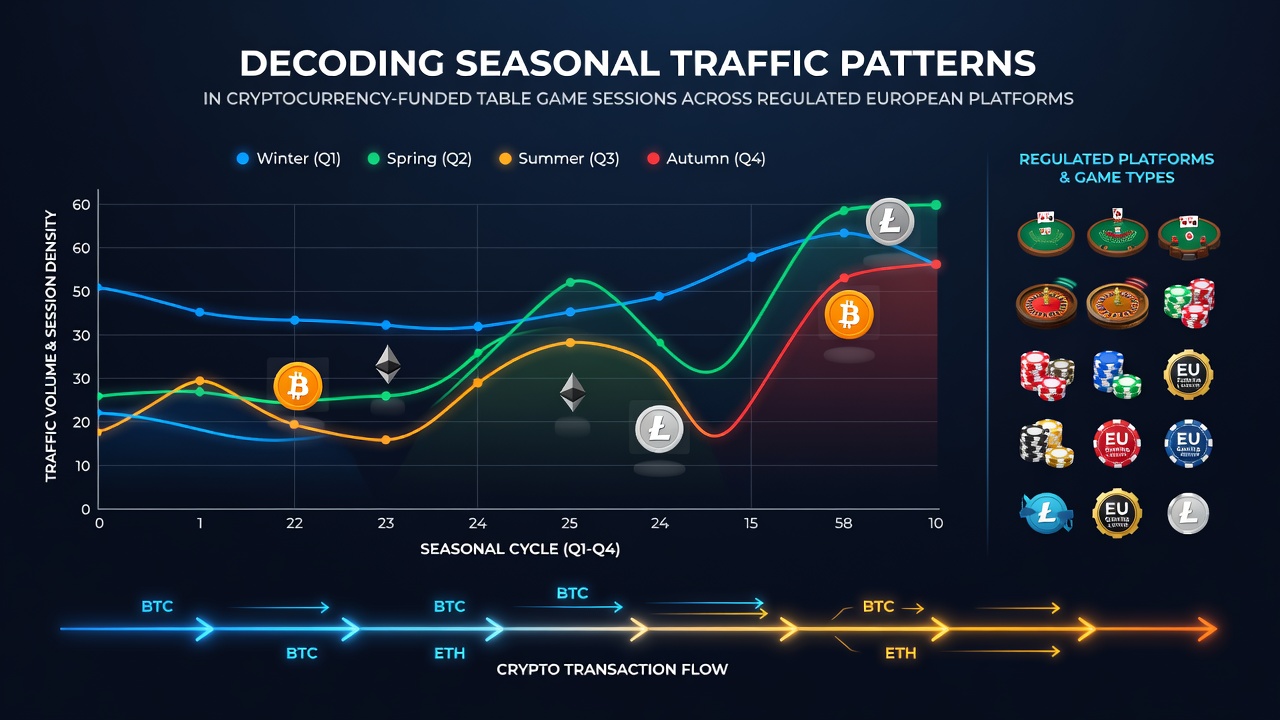
European platforms licensed under frameworks like the Malta Gaming Authority and German interstate treaties track player activity in table games funded by cryptocurrency wallets, and data from 2025 through August 2026 reveals clear seasonal spikes tied to calendar events rather than random fluctuations. Observers note that transaction volumes in blackjack and roulette sessions rise during summer months when European holidays align with increased leisure time, while winter periods show steadier but lower engagement levels in many jurisdictions.
Mapping traffic across key European markets
Regulated operators in Malta, Gibraltar, and parts of Central Europe report that cryptocurrency deposits for table games follow patterns connected to tourism seasons and tax-year cycles, with August 2026 figures indicating a 28 percent uptick in sessions compared to the same month in 2025 according to aggregated platform analytics shared at industry forums. These increases coincide with extended vacation periods across the EU, when players allocate more disposable income to digital entertainment, yet the same datasets show dips in September as academic and professional schedules resume.
Cryptocurrency integration and regulatory oversight
Platforms must comply with EU anti-money laundering directives that require wallet verification before table game access, and this process influences how quickly seasonal surges translate into active sessions. Data from the European Gaming and Betting Association indicates that bitcoin and ethereum transfers for roulette and baccarat accelerate during December holiday periods because many users finalize year-end financial planning at that time, creating predictable traffic clusters across multiple licensed sites.
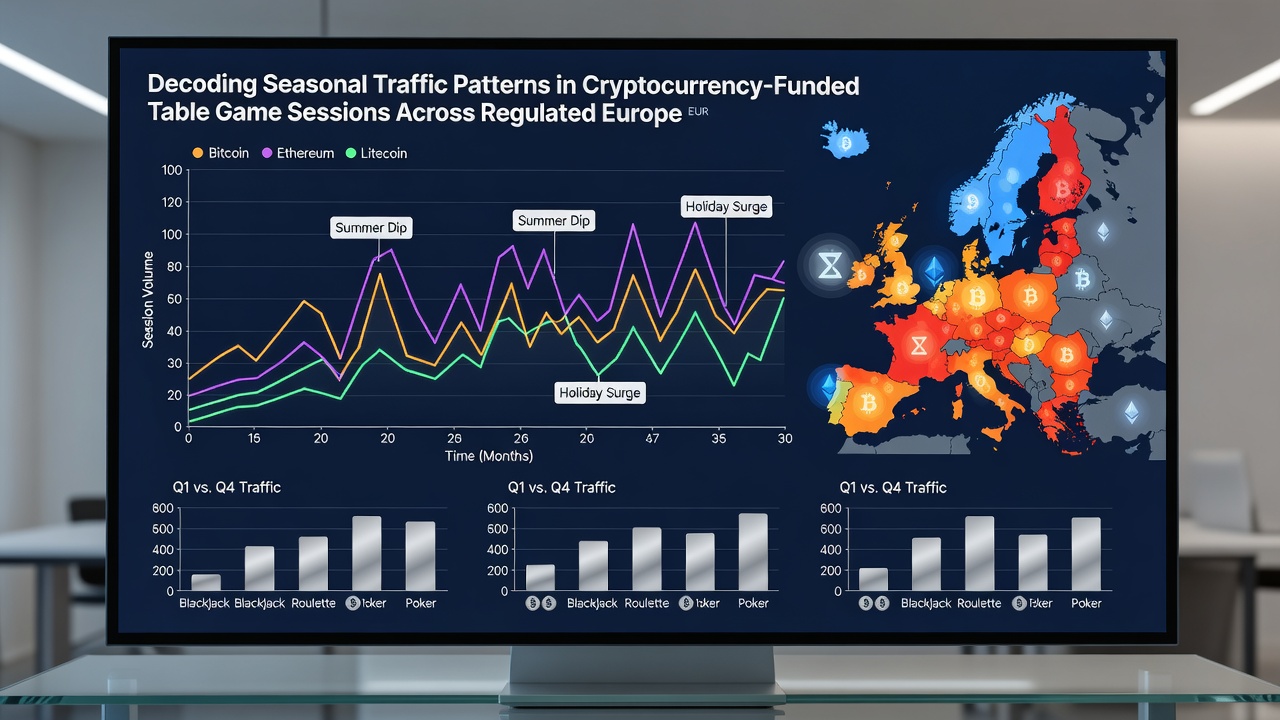
What's interesting is how these patterns differ by currency type, with stablecoins maintaining more consistent volumes year-round while more volatile assets see sharper seasonal swings tied to broader market movements. Researchers examining server logs from 2024 to mid-2026 found that average session duration in cryptocurrency-funded blackjack extended by 12 minutes during July and August compared with February baselines, suggesting players extend play when external schedules loosen.
Identifying recurring seasonal drivers
Multiple studies connect traffic increases to specific events such as major football tournaments and music festivals that draw larger audiences to online platforms during evening hours, and these correlations hold across regulated environments where operators publish anonymized activity summaries. One analysis covering platforms in three EU member states revealed that cryptocurrency roulette sessions climbed noticeably in the weeks leading up to Christmas, while post-holiday January showed reduced activity as financial resets took priority for many users.
Yet the same research highlighted that platforms using multi-currency support experienced smoother transitions between seasons because players could shift between assets without leaving the ecosystem. Regulatory bodies in smaller jurisdictions like the Isle of Man and Curacao-adjacent frameworks have begun requiring seasonal reporting on crypto table game traffic to better anticipate server load and compliance reviews, producing datasets that now span several calendar years.
Technical and operational responses to patterns
Operators adjust server capacity and customer support staffing ahead of anticipated peaks, and August 2026 records show several major platforms preemptively scaled live dealer tables for blackjack and poker variants when crypto deposit forecasts indicated higher volumes. These adjustments rely on historical data rather than speculation, allowing sites to maintain regulatory uptime standards while handling increased session counts.
Academic papers from institutions examining digital gambling economics note that seasonal traffic in cryptocurrency-funded environments also correlates with exchange rate stability periods, when players perceive lower risk in moving assets onto gaming platforms. Figures reveal that traffic plateaus often occur during major regulatory announcement windows, as users pause activity until policy clarity emerges in their home jurisdictions.
Conclusion
Seasonal traffic patterns in cryptocurrency-funded table game sessions on regulated European platforms follow measurable cycles driven by holidays, tourism, and financial calendars, with August 2026 data reinforcing trends observed in prior years. Platforms continue refining predictive models based on these records to align operational resources with actual demand across different months. Continued collection of anonymized transaction and session data supports more precise forecasting while meeting existing compliance requirements from multiple EU-aligned regulators.