Charting Currency Volatility Effects on Layered Promotional Structures Within Cross-Border Digital Gaming Networks
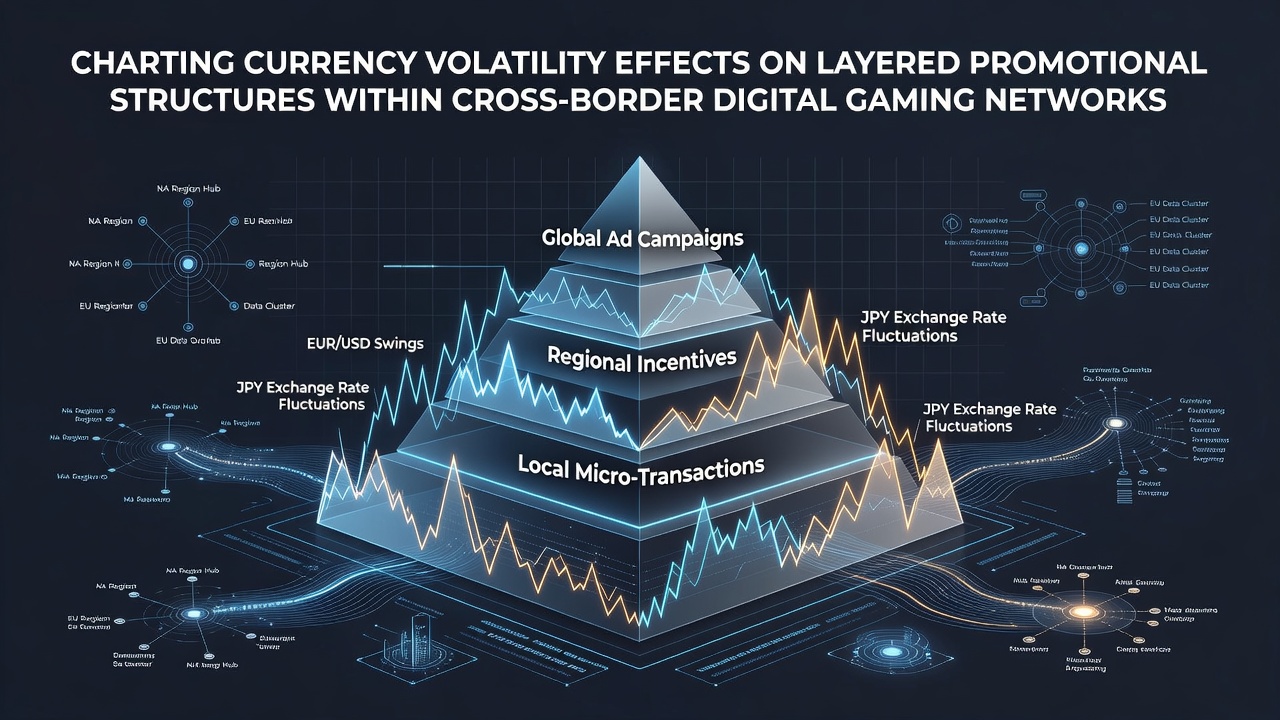
Digital gaming networks that span multiple countries face constant pressure from shifting exchange rates, and these pressures directly reshape how promotional layers operate across borders. Operators maintain complex structures that include deposit matches, loyalty multipliers, and tiered rewards, yet each component adjusts when one currency moves against another. Research from financial analysts tracking gaming platforms shows that even modest swings in major pairs like EUR/USD or AUD/JPY can alter the real value of a bonus pool within hours.
Those who monitor these systems note that promotional layers rarely sit in isolation. A base deposit bonus might convert into a mid-tier loyalty credit, which then feeds into a high-roller cashback structure. When the underlying currency weakens, operators recalibrate conversion tables to protect margins, and players in affected regions often see their effective reward rates change without any explicit announcement.
How Exchange Rate Movements Alter Bonus Calculations
Currency volatility enters the equation at the point where a player funds an account in one denomination while the operator settles rewards in another. Platforms that accept deposits in multiple fiat options must apply real-time rates, and any lag in updating those rates creates temporary imbalances. Data from mid-2026 indicates that several large networks adjusted their internal rate feeds daily during periods of heightened market movement, particularly around July when global trade tensions contributed to sharper daily swings.
Layered promotions amplify these effects because each tier multiplies the initial conversion. A player who deposits in a strengthening currency may receive a proportionally larger loyalty point allocation, whereas the opposite occurs when the deposit currency weakens. Observers tracking these patterns report that networks with automated hedging tools experience fewer manual overrides, yet the underlying math still shifts player perception of value across regions.
Cross-Border Network Challenges and Promotional Adjustments
Networks connecting operators in Europe, Asia, and North America maintain centralized promotional engines that must reconcile dozens of local currencies. When the Canadian dollar moves against the euro, for instance, a loyalty multiplier designed in one jurisdiction may deliver different purchasing power in another. Industry reports compiled by the Canadian Gaming Association highlight that operators began implementing dynamic tier thresholds in early 2026 to keep promotional equity consistent despite rate changes.
Those managing these systems often rely on third-party rate services to trigger automatic recalibrations. The result appears in player dashboards as updated bonus percentages or revised point accrual rates. One documented case involved a network that linked its cashback layer directly to a basket of currencies, reducing the frequency of abrupt adjustments while still reflecting broader market conditions.

Regulatory Oversight and Market Data in 2026
Regulators in several jurisdictions began requesting more granular reporting on how currency movements influence promotional fairness during the first half of 2026. Figures released by the Australian Gambling Research Centre show that volatility spikes in July coincided with a measurable uptick in player queries about bonus valuations in cross-border accounts. Networks responded by publishing clearer conversion policies and linking them to publicly available exchange data.
Academic studies from institutions examining digital commerce note that promotional structures tied to volatile currencies require more frequent audits to ensure compliance with regional advertising standards. These audits focus on whether advertised reward values remain accurate after conversion, particularly for players moving between platforms that operate under different licensing regimes.
Practical Effects on Player Reward Layers
Players participating in multi-currency networks encounter the consequences through altered reward calculations rather than direct rate exposure. A loyalty program that awards points based on wagered amounts must translate those amounts across currencies daily. When one currency depreciates rapidly, the same wager may generate fewer points in the operator’s base currency, prompting some networks to introduce temporary stabilizers that smooth the impact over several days.
Evidence gathered from platform analytics indicates that networks using layered structures with built-in buffers experienced lower rates of player complaints during volatile periods. The buffers operate by averaging rates over short windows instead of applying spot rates, which reduces abrupt changes to promotional tiers while still allowing operators to manage overall exposure.
Conclusion
Currency volatility continues to shape the design and maintenance of layered promotional structures across cross-border digital gaming networks. Operators respond through automated rate feeds, dynamic tier thresholds, and averaged conversion methods that keep rewards aligned with market conditions. Data compiled through 2026 demonstrates that networks incorporating these mechanisms maintain more consistent player engagement even when exchange rates fluctuate sharply. The ongoing integration of real-time financial tools with promotional engines suggests that future adjustments will become increasingly precise as operators refine their approaches to currency risk within these interconnected systems.