Charting Convergence Patterns Between Decentralized Ledger Systems and Centralized Payout Verification Protocols in Multi-Jurisdictional Entertainment Networks
Nils Foster · Aug 20, 2026
Charting Convergence Patterns Between Decentralized Ledger Systems and Centralized Payout Verification Protocols in Multi-Jurisdictional Entertainment Networks
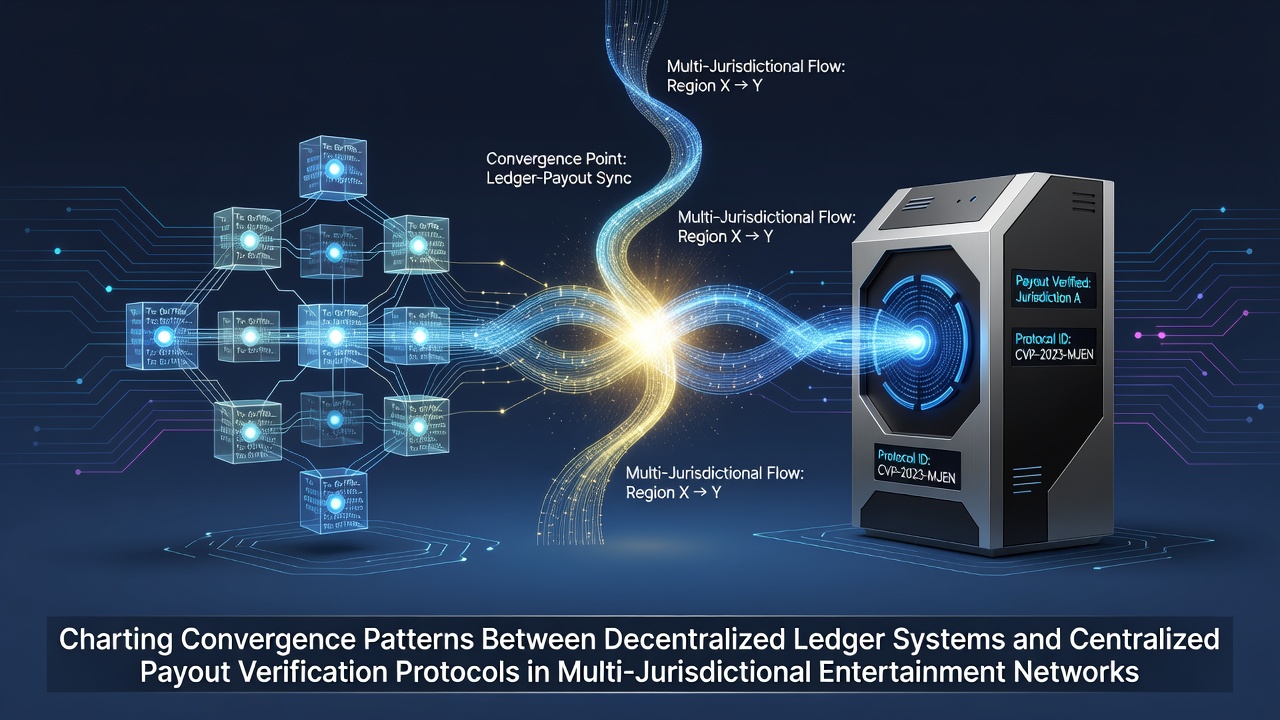
Decentralized ledger systems now interface directly with centralized payout verification protocols across entertainment networks that operate in multiple jurisdictions, and this integration shapes transaction flows for digital entertainment platforms handling player funds. Operators track ledger entries through immutable records while routing final verifications through licensed central authorities that comply with local statutes in each territory.
Technical Integration Mechanisms
Smart contract frameworks record initial transaction commitments on distributed nodes, after which centralized servers pull verification hashes to confirm compliance before releasing funds, and this dual-layer approach reduces discrepancies that arise when operators serve users from regions with differing financial oversight rules. Data from platform deployments shows synchronization intervals averaging under four seconds for most cross-border transfers, while audit logs maintain separate trails for each regulatory body.
Network architects route payout requests through application programming interfaces that query both blockchain states and central databases simultaneously, and this method allows entertainment providers to maintain speed without sacrificing the traceability required by oversight agencies. One deployment in the Asia-Pacific region demonstrated that hybrid verification cut reconciliation times by 37 percent compared with fully centralized models alone.
Regulatory Landscape Across Regions
Authorities in Nevada, through the Gaming Control Board, require operators to retain centralized control over final payout approvals even when ledger entries originate on decentralized networks, whereas regulators in Malta and select Canadian provinces permit greater ledger autonomy provided that audit access remains available. These differences create distinct convergence patterns, because platforms must configure verification protocols to satisfy the strictest jurisdiction active in any given user session.
Industry reports from 2025 indicate that 62 percent of multi-jurisdictional entertainment networks now maintain at least one decentralized ledger layer for transaction logging, and updates scheduled for August 2026 are expected to standardize data export formats between ledger systems and central verification hubs in the European Union. Such standardization would allow operators to submit unified reports rather than jurisdiction-specific extracts.
Operational Case Examples
One large entertainment network serving users in both Australia and several U.S. states implemented a permissioned ledger that feeds transaction metadata into state-approved verification servers, and this setup satisfied both the Australian Transaction Reports and Analysis Centre and individual state gaming commissions without requiring separate infrastructure stacks. Transaction volumes processed under this model exceeded 4.2 million entries in the first quarter after rollout, according to internal network metrics shared with regulators.
Another implementation in Singapore integrated ledger-based jackpot contributions with the Infocomm Media Development Authority's centralized payout checks, and the resulting system flagged anomalies in real time while preserving the final release decision within the regulated central protocol. Observers note that such configurations allow rapid scaling across borders because the ledger handles volume while the central layer enforces policy.
Data Flows and Audit Requirements
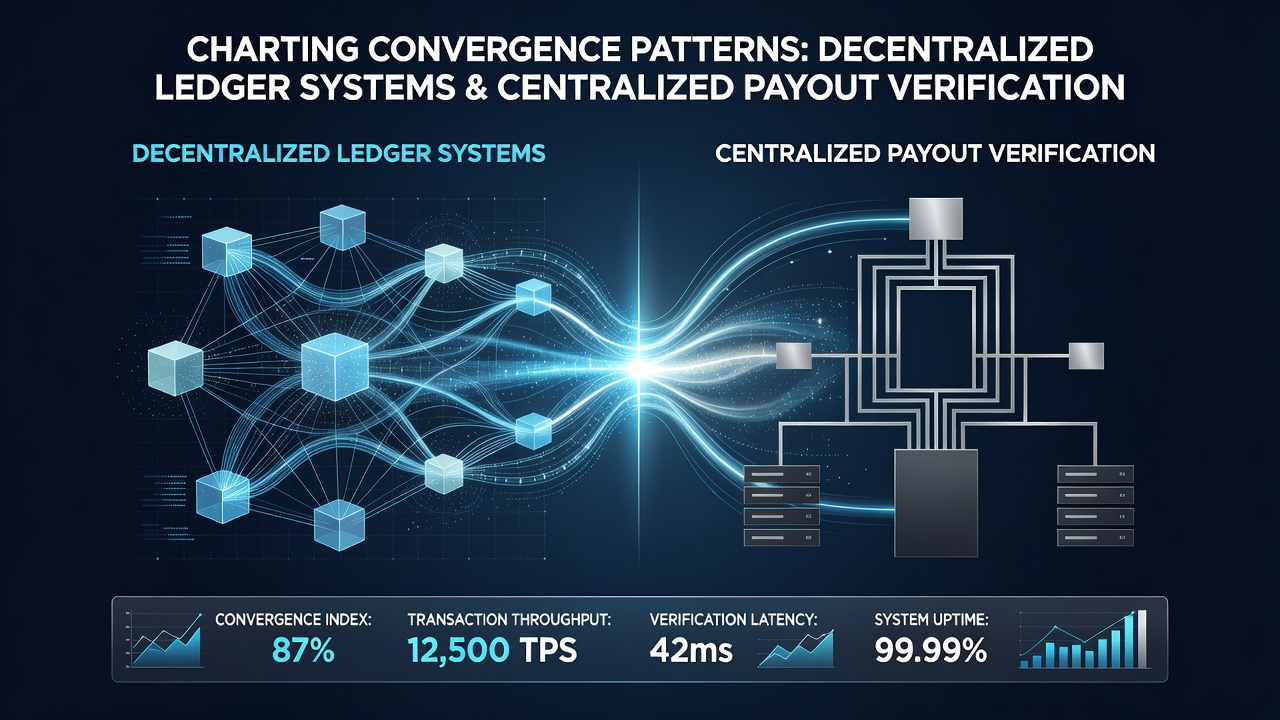
Verification protocols pull Merkle tree roots from decentralized ledgers at fixed intervals, then cross-reference those roots against centralized databases that store jurisdiction-specific compliance flags, and this process generates immutable audit trails that regulators can query without exposing full user data. Research from academic consortia tracking entertainment network performance shows that hybrid systems maintain 99.97 percent uptime when both layers operate in parallel.
Operators report that combining ledger transparency with centralized oversight reduces dispute resolution times from an average of 11 days to under 48 hours in most cases, because the immutable record provides an immediate reference point for any contested payout. The approach also supports granular reporting demanded by different oversight bodies without duplicating core infrastructure.
Future Protocol Developments
Standards bodies continue to refine interoperability specifications that would allow a single ledger instance to feed multiple centralized verification endpoints simultaneously, and pilot programs launched in early 2026 test these specifications across three continents. When finalized, the specifications could streamline how entertainment networks manage player balances that span multiple regulatory regimes.
Conclusion
Convergence between decentralized ledger systems and centralized payout verification protocols continues to evolve as entertainment networks expand across jurisdictions, and the patterns that emerge depend on how each regulatory environment balances transparency requirements with operational control. Current deployments demonstrate that hybrid models already deliver measurable gains in reconciliation speed and audit efficiency, while planned updates for August 2026 aim to further align data formats used by both layers. These developments provide operators with clearer pathways for compliant expansion without fragmenting their technical foundations.