Analyzing Biometric Authentication Trends in Securing Remote Poker Tournaments Across Emerging Digital Platforms
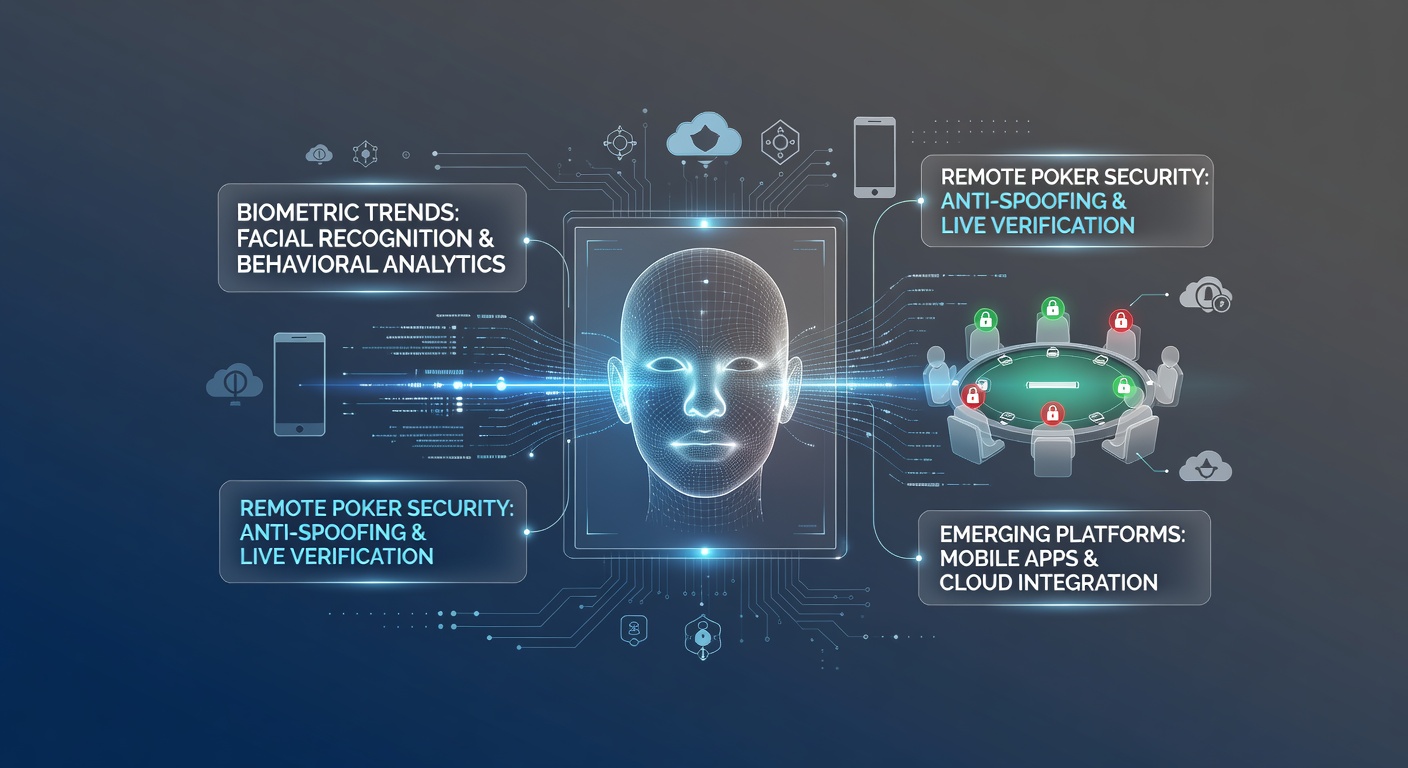
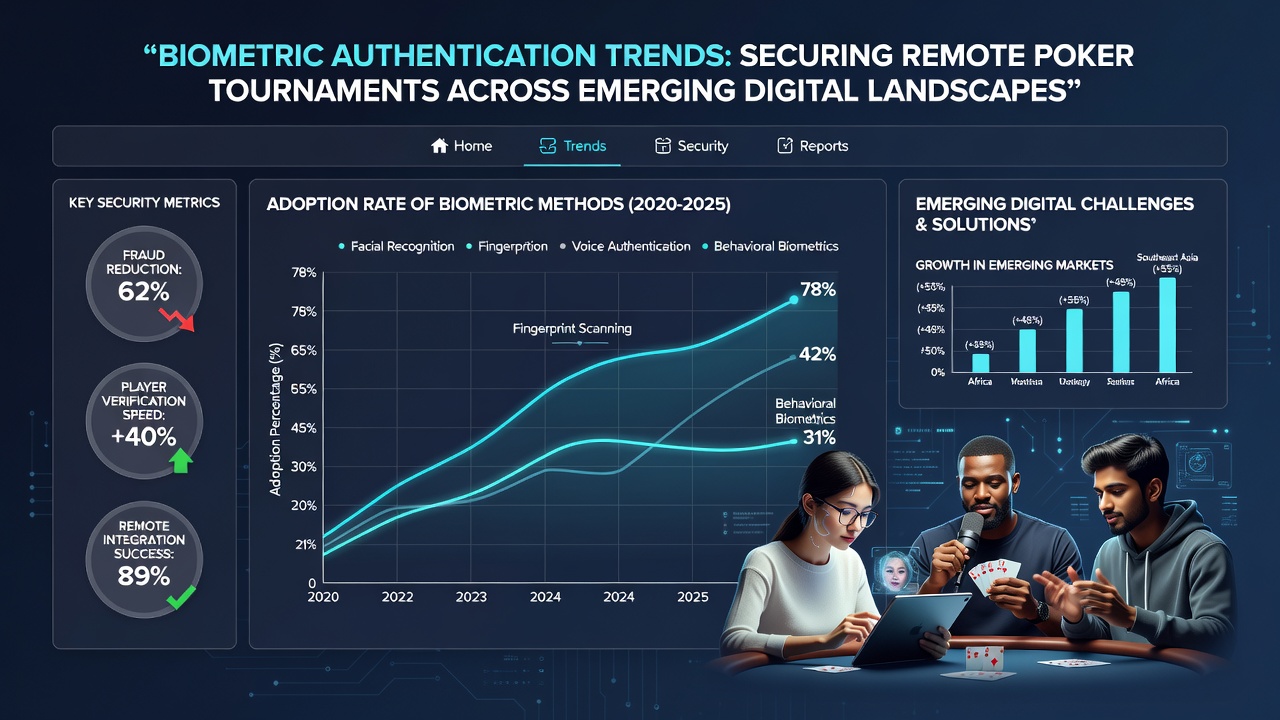
Biometric authentication has moved from experimental add-ons to core security layers in remote poker tournaments, where operators integrate fingerprint, facial, and voice recognition to verify players across mobile apps and browser-based platforms. Data from regulatory filings shows adoption rates climbing steadily through 2025, with platforms reporting fewer instances of multi-accounting and collusion attempts as a direct result.
Core Technologies Driving Verification
Modern systems combine multiple biometric markers during login and at random intervals throughout sessions, so facial recognition pairs with behavioral analysis of typing patterns while voice authentication activates for high-stakes decisions. Researchers at institutions tracking digital identity note that hybrid models reduce false positives compared with single-modality approaches, because liveness detection checks for natural micro-movements and blood flow rather than static images. Emerging digital platforms built on decentralized protocols further embed these checks into smart contracts, creating audit trails that link each hand directly to verified identities without exposing raw biometric data.
Implementation Patterns Across Platforms
Operators running global tournaments now require biometric enrollment before players enter satellite events, while ongoing verification occurs through passive monitoring that flags unusual device switches or location jumps. In June 2026 several platforms rolled out updated APIs that sync biometric templates with centralized gaming servers, allowing seamless transitions between desktop and mobile interfaces without repeated scans. Studies from academic groups focused on cybersecurity in entertainment indicate that these synchronized protocols cut session interruptions by measurable margins, because the system retains encrypted templates locally until cloud confirmation completes.
Regional Regulatory Shifts
North American regulators, including those under the Nevada Gaming Control Board, have issued guidance requiring documented consent for biometric storage and clear opt-out paths for players. Meanwhile European frameworks emphasize data minimization, pushing platforms to process templates on-device whenever possible. Canadian provincial authorities have followed with similar rules that tie licensing renewals to independent audits of biometric accuracy rates, creating a patchwork that operators must navigate when hosting cross-border events.
Security Outcomes and Data Trends
Industry reports compiled through mid-2026 reveal a consistent drop in disputed hands linked to identity fraud after biometric layers were added, with one analysis from the Nevada Gaming Control Board showing verification failures triggering fewer than 0.8 percent of tournament entries. Platforms also report faster dispute resolution because timestamped biometric logs provide immutable evidence during investigations. Yet accuracy varies by demographic, since certain skin tones and age groups still experience higher rejection rates, prompting developers to refine algorithms with broader training datasets.
Privacy Considerations and Technical Limits
Storage of biometric templates raises questions about breach impact, because unlike passwords these markers cannot be reset. Observers at research organizations such as the Australian Institute of Criminology point out that encryption standards now include homomorphic techniques allowing comparison without decryption, though adoption remains uneven across smaller platforms. Accessibility challenges surface when players lack compatible hardware or face temporary conditions like facial injuries, leading some operators to maintain fallback methods that still meet minimum security thresholds set by licensing bodies.
Future Integration with Emerging Platforms
Virtual and augmented reality poker environments under development incorporate eye-tracking and gait analysis alongside traditional biometrics, creating continuous authentication throughout sessions rather than discrete checkpoints. Partnerships between software firms and hardware manufacturers aim to standardize APIs so that new devices enter the market already certified for gaming use. Figures from market intelligence firms tracking digital entertainment show investment in these combined systems rising sharply, driven by demand for tournaments that feel both secure and immersive.
Conclusion
Biometric authentication continues to reshape how remote poker tournaments maintain integrity across expanding digital ecosystems, with layered verification methods, regulatory adaptations, and technical refinements all contributing to measurable security gains by June 2026. Platforms that align these tools with privacy standards and hardware realities position themselves for sustained operations in a competitive landscape.